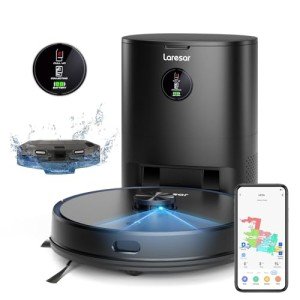
The Future of Home Cleaning: A Comprehensive Guide to Robot Vacuums and Cleaners
In the last few years, the advancement of robot vacuums and cleaners has transformed the landscape of home cleaning. These autonomous gadgets combine innovative technology with user convenience, offering a service for busy families that seek to lessen the time invested in cleaning tasks. This short article checks out the types, functions, benefits, and frequently asked concerns about robot vacuums and cleaners, providing a clear understanding of how they can improve every day life.
What is a Robot Vacuum and Cleaner?
A robot vacuum and cleaner is a self-operating gadget created to autonomously browse and tidy floors. It uses a combination of sensing units, cams, and artificial intelligence to map spaces and recognize challenges, effectively vacuuming various surface areas including carpets, hardwood floorings, and tiles. Some designs likewise consist of mopping capabilities, enabling them to scrub and decontaminate hard floors.
Kinds Of Robot Vacuums and Cleaners
Robot vacuums come in numerous types, each created to deal with specific cleaning needs.
| Kind Of Robot Vacuum | Description | Best For |
|---|---|---|
| Fundamental Robot Vacuum | Entry-level vacuums that provide important cleaning company without innovative functions. | Budget-conscious users |
| Smart Robot Vacuum | Features Wi-Fi connection, app control, and voice control compatibility with wise home devices. | Tech-savvy people |
| Wandering Robot Vacuum | Geared up with sophisticated navigation systems, these vacuums adeptly map large areas effectively. | Big homes and open spaces |
| Hybrid Robot Vacuum | Combines vacuuming and mopping functions in one device. | Users trying to find multi-functional cleaning solutions |
| Family Pet Hair Robot Vacuum | Designed with special brushes and strong suction capabilities to tackle family pet hair. | Pet owners |
Key Features to Consider
When picking the best robot vacuum or cleaner, purchasers need to consider various functions that affect performance and functionality.
- Suction Power: This is essential for deep cleaning carpets and efficiently picking up particles.
- Battery Life: Longer battery life enables the vacuum to clean larger areas without interruption.
- Navigation Technology: Advanced models utilize laser or camera navigation, while basic models rely on bump sensors.
- Smart Home Integration: Compatibility with platforms like Amazon Alexa or Google Assistant can enhance user experience.
- Filtration System: High-efficiency particulate air (HEPA) filters are necessary for asthma or allergic reaction sufferers, recording fine dust and allergens.
- Dustbin Capacity: Larger dustbins require less frequent emptying, making upkeep simpler.
- Mopping Functionality: Some models include mopping functions for cleaning difficult surfaces.
- Noise Level: Quieter robotics permit unobtrusive cleaning, particularly in noise-sensitive environments.
Advantages of Using Robot Vacuums and Cleaners
The adoption of robot vacuums brings many benefits that make them an attractive choice for many families.
- Time-saving: They operate autonomously, enabling users to free up time for other activities.
- Convenience: Many designs can be set up to clean at particular times, providing flexible options.
- Constant Cleaning: Regular cleaning cycles cause a regularly tidy living environment.
- Accessibility: Robotic vacuums can access tough areas, like under furnishings, that conventional vacuums may deal with.
- Improved Air Quality: Regular use can decrease dust and allergens, contributing to a healthier home environment.
Often Asked Questions (FAQs)
1. How do robot vacuums manage barriers?
A lot of contemporary robot vacuums are geared up with sensing units that help them detect and avoid barriers. Some higher-end designs use advanced mapping technologies to produce a layout of the environment, permitting for more efficient navigation.
2. How frequently should I run my robot vacuum?
The frequency of use depends upon your home's needs. Usually, running the robot vacuum numerous times a week is suggested, specifically in homes with pets or high foot traffic.
3. Can a robot vacuum deal with animal hair effectively?
Yes, numerous models are particularly developed for family pet owners, featuring effective suction and specialized brushes to tackle animal hair and dander effectively.
4. Can I manage my robot vacuum with my smartphone?
Many clever robot vacuums include a matching mobile app that allows users to manage settings, schedule cleaning sessions, and even keep an eye on the cleaning activity from their smartphones.
5. Do robot vacuums just work on tough floors?
While many robot vacuums are created for difficult floors, numerous designs can likewise efficiently tidy carpets, making them versatile for different floor covering types.
6. What is the typical lifespan of a robot vacuum?
The life expectancy of a robot vacuum generally varies from 3 to 5 years, depending on use, care, and the model's quality.
Robot vacuums and cleaners have reinvented home cleaning regimens, providing time-saving services with minimal effort. While there are lots of options offered, potential purchasers should carefully assess their needs against the functions offered by different models. As robot vac and mop continues to advance, robot vacuums are likely to become even smarter and more efficient, essentially changing how individuals approach home cleaning. Welcoming this innovation implies taking pleasure in a cleaner home while concentrating on what really matters in life: costs time with friends and family.
With the best robot vacuum or cleaner, the future of home cleaning looks both intelligent and effortless.